
The Love Boat Soon Will Be Making Another Run in My Living Room
Post 7- Time to Disembark – Saturday, September 12, 2026
The entire premise of The Love Boat is that we take a quick look into small stories about people who take a vacation on a cruise ship, providing us just a glimpse into their lives. The characters were different each week, but the compilation of different characters and stories and relationship dynamics presented universality. Stories involving the crew allowed for development over time, providing some consistency to the format, but their stories played out quietly behind the passengers’ stories on an episode-by-episode basis.
The Love Boat’s format often rendered exaggerated, sped-up, or simplistic stories that could be considered essentially unrealistic, but they also presented realistic dilemmas real people face. The writers concentrated on stories of relationship dynamics, which transcended the lives of the limited populations that might book a real cruise in the late 1970s. This duality helped working class families like mine relate to the characters while feeding our fantasy of luxury and romance. It is an intoxicating combination, to see ourselves in characters who can afford purple evening gowns to wear on their cruise to Acapulco.
When we zoom outward from the individual storylines, however, we see some consistent values and ideas that the show as a whole represents. So, let’s do some inductive reasoning. I have presented details from specific episodes in the first six posts. From those specific details, I would like to draw some larger conclusions about the show’s themes and the value of the process itself. You might say that today’s post feels like looking through the photo album from the vacation we took years ago. What do we remember? And what did we learn?
Theme #1: A Happy Ending is NOT Guaranteed.
Nor is it always desirable. The theme song for the show makes this claim: “…love won’t hurt anymore…,” but the stories themselves often present a different reality. Those relationship dilemmas may be wrapped up too succinctly or easily in a one-hour episode, but they do not all have happy or expected endings. The Love Boat showed that some people were simply not made for each other or that sometimes a person has to make difficult choices for their own good or the good of someone they love. Sometimes, the revelation of a lover’s true motives or personality resulted in a break-up, which is not only a realistic storyline but an empowering one. No one has to remain tied up with someone who is dishonest or hurtful, and our world doesn’t end if we walk away from a destructive relationship.
Theme #2: Successful Relationships Require Honesty.
On The Love Boat, secrets don’t remain secrets for long. Inevitably, people on board learn what their loved one is hiding, and whether they can live with that truth or not often determines whether they leave the ship together or not. Of course, there are times when one lover makes the choice to stay a little too quickly as the show ends, leaving us with questions about how it will work once they get home, but the show exudes the message that honesty truly is the best policy. The stories may be simple, but they bring us a quick look at the ethical implications of dishonesty.
Conversely, the show also exudes a belief in the ability of people to grow and change for the better, but that growth necessarily comes with being honest with oneself and with one’s partner. If we want to build healthy relationships, then we have to first see people for who they are. That means not making them out to be better or worse than they are, nor trying to turn them into the type of person we imagine or desire them to be. We have to be honest about ourselves, our partner has to be honest with us, and then we must choose whether we can accept each other as is. Love means accepting a person for who they truly are right now, and that truth does not only apply to marriages; it means accepting our children, our coworkers, our siblings, and our friends for who they are. If we can’t accept them as is, then the relationship probably won’t last, or it will devolve into delusion and toxicity. Accepting our loved ones as is also means accepting them for their character, their internal identities, and not superficial demographics, such as age, size, or even past indiscretions. Yet, this acceptance hinges on honesty.
Theme #3: Love is Worth Preserving
Clearly, the show celebrates love; it is called The Love Boat after all. In its celebration of love, the storylines are careful to show that love doesn’t come in one shape, size, or package. Love is worth preserving among friends and family, just as it is worth preserving in countless different forms – romantic love, working partnerships, love among competitors or between a mentor and a mentee, etc. More than one passenger learns that sacrificing a healthy relationship in pursuit of a career or money is hollow. On The Love Boat, people are always worth more than things. And love belongs to everyone, not just the young and beautiful.
What’s the point of all this?
This is now my 7th and final post in my self-indulgent, nostalgic look at The Love Boat, which may or may not have been read by maybe five people total. So why spend all this time in Retroville, looking back at an old TV show and my personal memories? Good question.
This question actually hints at larger questions that loom over my life’s work, and how we answer these questions just might determine our society’s collective future. What is the purpose of personal writing at all? What is the value of creative writing time in an English class when students need analytical writing skills to pass the test? What is the purpose of posting my own thoughts on social media when AI can create a generic message that anyone can share with a tap on the screen? What is the point in delving deep into a niche topic and exploring unique perspectives when all anyone has time for is a quippy meme with catchy visuals that in effect shuts down dialogue?
The point is resistance.
The point is independent thought.
The point is freedom of expression.
In a world where nearly everyone seems to be content with machine-generated summaries that take less time to digest, I spent over seven weeks observing and contemplating, crafting my contemplations into relevant thoughts (I hope they are relevant!), and sharing my contemplations on the Internet so that I might invite conversation. Am I shouting into the void to no avail? Possibly. No one else on earth may care a bit about fashion aboard The Love Boat, but that does not mean the process was of no value to me or to someone who might have stumbled upon my observations.
The act of observing, thinking, and writing BY ITSELF is of value to my brain, making neural connections where none existed before, sharpening my cognitive skills and honing my communication skills. For no other reason, this activity helps me personally.
The act of observing, thinking, and writing BY ITSELF is also a visible resistance to mind control; I do not ever want to surrender my ability to think, create, and choose to those in power, especially when those in power aim to tell me what type of expression is acceptable or useful.
The act of observing, thinking, and writing BY ITSELF is an act of self-expression that celebrates our shared cultural value of freedom. It plows forward the tiller that uproots dirt packed too tightly with conformity, stirring up nutrients for new growth.

We celebrated universal access to the World Wide Web because of its potential as a marketplace of ideas, not as a means of control for those in power. Therefore, I intend to set up my stall in that marketplace. People can walk by my table, peruse what is there, and either pick up something for themselves or leave it sitting there, but they won’t run me out of the market.
And I am not alone in my effort to keep the marketplace diverse and bustling with my small acts of resistance. Check out Substack, for example, to see how many people are observing, reflecting, and writing in long form, or at least longer than what many other social media outlets support. The fact that there is an entire segment of society who cannot or will not engage in long-form reading and writing or pursue independent thought is nothing new, but neither is the presence of a segment of society who insists on trying to think for themselves. For my compatriots, therefore, let us keep reading and creating what others find irrelevant or unimportant. Let us keep searching for new ways to create and express our thought journeys. Let us engage in meaningful conversations with each other for the good of our own hearts and minds, but also for the good of our society.
I now leave my excursion into Retroville just as the characters on The Love Boat often disembark the ship, full of deepened self-knowledge, an optimistic view of my next adventure, and a friendly wave goodbye to my fellow passengers. Bon Voyage!
Post 6 – What Fashion Hides and What it Reveals – Saturday, September 5, 2026
Let’s take another look at fashion aboard The Love Boat, specifically one character’s fashion choices that left an indelible mark on my memory. Fashion plays a unique role in the Halloween episode of Season 2, in 1978, which presents a storyline that has stuck with me longer than many others from the show. In this episode, Karen, a former fashion model, books a trip to reunite with her friend (Julie, our cruise director) and to do some emotional and mental recovery from a horrible wreck that has left her face permanently scarred. Karen feels worthless because the scar prevents her from returning to her previous job of modeling.
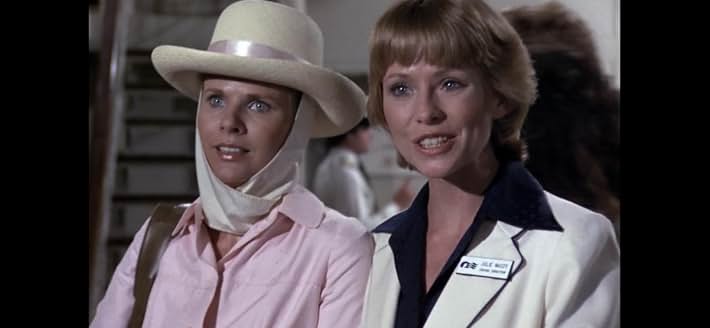
The story subtly confronts the difficult reality of how our identities get mixed up with our jobs and our appearances. Karen wears fashionable clothes, and close-ups reveal startling blue eyes and soft blonde curls, but we never see her without a scarf or veil wrapped fashionably around her neck and cheeks. She sports numerous sheer and sparkly fabrics, which appear to be a conscious fashion choice, but we learn that her real reason for wearing them is to hide the scar on her cheek. She is terrified of how people will react when they see the scar. She questions her worth without a perfectly smooth, clear complexion.
Of course, by the end of the episode, she learns that the attentions of Gopher, Doc, and other men on board are not diminished when they see the scar, but before that happy ending, Karen contemplates jumping overboard because she is just not sure how long she can go on as a disfigured, out-of-work model. For those with real troubles like wondering how we are going to pay the power bill, her desperation seems shallow, but if we think about the thought patterns that drive her near to suicide, we might discover some ways we, too, get mixed up in our thinking about our physical bodies and the clothes we wear over them.
The episode ends in a predictably tidy way, as sit-com episodes do, but not before raising some worthwhile questions, such as, why do we link our self-worth to our looks? And how often do we use fashion to hide or cover up some aspect of our lives we don’t want visible to others? Or do we choose an outfit to create a persona of the person we wish to be? What about those times we chose an outfit, or rejected one, based on how others will perceive us when we wear it?
I do not think it was an accident to include this storyline in the Halloween episode.
Not to say that thoughtfully choosing what we wear always constitutes detrimental behavior, but our choices in clothing at times might be the result of succumbing to harmful social expectations. Whether our fashion sense reveals self-empowerment and self-expression or imprisonment to an unreachable ideal depends on the thoughts that lead us to our decision, where those thoughts come from, and the motivations of those who want us to think a certain way about our fashion choices. This Love Boat storyline about a woman with a scarred face may present a cliched moral lesson about beauty being more than skin deep, but look twice, and you just might see another message in this storyline.
Karen’s entire identity and self-worth is wrapped up in her meeting a standard of beauty imposed on her from corporations that make money off women’s insecurities and their desire to be perceived as beautiful, which is a tradable commodity in our capitalistic culture. When she can no longer meet that standard, she believes she has no reason to live.
Her mind changes when a little boy tells her a lie about his mother committing suicide and what her death has done to his life. We are touched by the story and how he convinces her not to jump overboard, but we might also question exactly what about the story makes her change her mind. We might be optimistic and suggest that Karen realizes her life matters to others, but we might also wonder if the message moves her because it supposedly comes from a little boy who needs a mother.
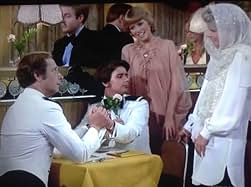
I often turn on a rerun of The Love Boat because I enjoy playing my fashion game of searching for dresses I would wear today. I do not apologize for my affection for fashion and retro television shows. I find personal enjoyment in studying fashion of the past just as I enjoy selecting my outfit and coordinating accessories before I go out. Fashion is important.
If you ask me about my clothing choices, I will insist that I get to choose what I want to wear today just because it is my choice and my life. Those words form a mantra I repeat aloud to myself nearly every day that I look in my closet or scroll through the personally cultivated fashion, jewelry, and makeup ads that flood my feed. Sometimes I literally say out loud, “This is your life. You get to choose what you want to wear. Wear the outfit you want to wear no matter what others think about it.”
The truth is, however, that fashion is rarely just a purely personal choice because our choices are so often shaped by our experiences, our culture, and the social contract under which we operate.
Moving beyond the personal, the study of fashion is always a study of social issues with political implications. Studying fashion means studying history, a part of history often ignored by textbooks. Many of us think of history as a list of dates with objective facts of what happened and where it happened, with most of those facts pointing solely to wars and laws and the decisions of leaders. There is so much more to the story though, and fashion is a legitimate lens through which we can see life in the United States beyond those so-called objective facts on which we hinge a national identity.
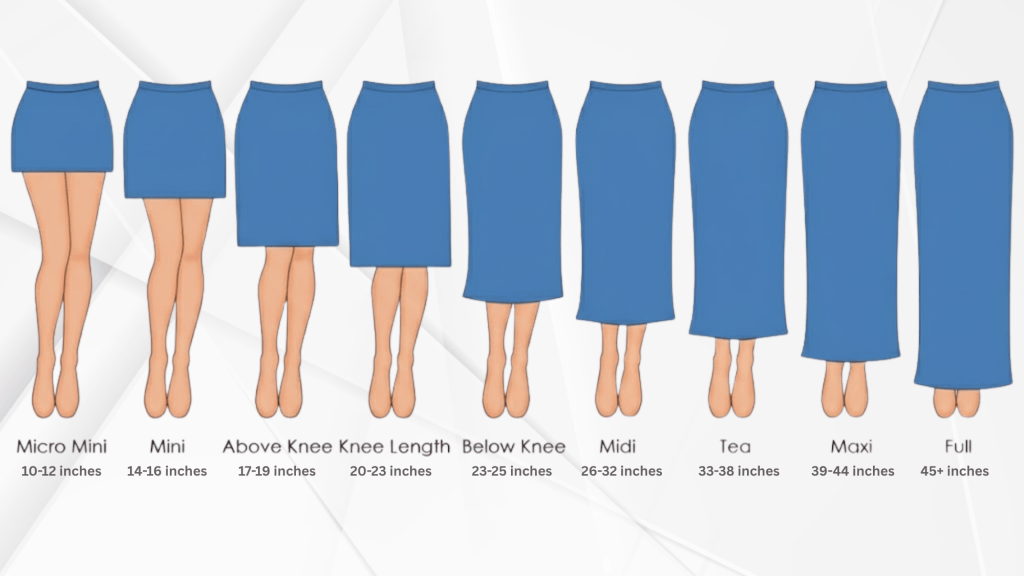
Did you know that some historians have found a parallel between skirt length and the policies of the administration in control during the 20th century? It’s called the Hemline Index and you can read more about it here and here and here.
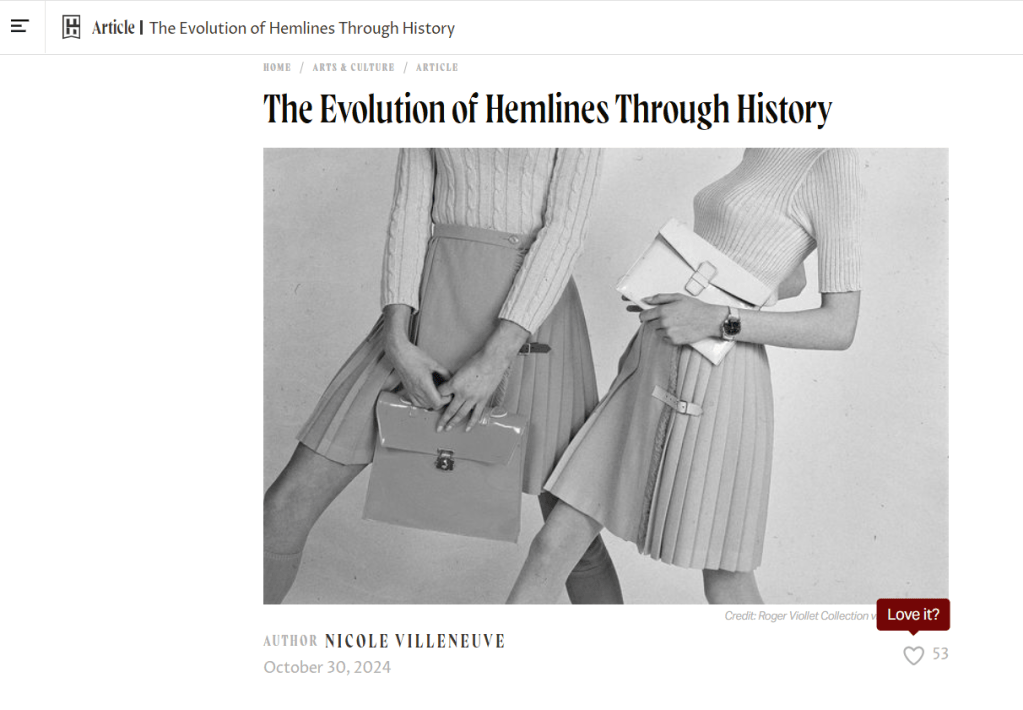
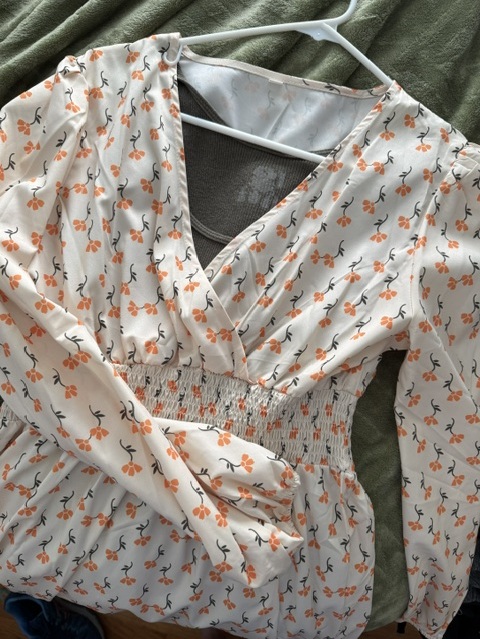
Let’s take a moment to consider just one fashion trend today and its possible significance. The prairie look is often linked to the revival of Little House on the Prairie and/or the Trad Wife Movement among social media influencers. I have been known to sport a prairie dress with flowers as I have been a Holly Hobbie girl my whole life. Even my Easy Bake Oven was the Holly Hobbie version. Yet, which group in society benefits from women choosing this fashion? Who profits from women adopting this lifestyle? Can we wear the dresses without adopting the lifestyle? Of course, we can, but the weaving of fashion and lifestyle is often the source of our fashion choices; again, we often choose our clothes because we want to craft an image that reflects our identity. A quick Google search will lead to you to a sea of articles and blogs about the significance of the prairie look and what it says about women’s rights in American society right now, representing views all along the political and religious spectrum.
It doesn’t matter if we are talking about prairie dresses today, or miniskirts from the 60s, or shoulder pads in the 80s. Fashion is tied to a host of social and political circumstances. Whether fashion influences actions or actions influence fashion is a chicken-and-the-egg debate. Regardless, studying hemlines opens a different window through which we might see more of what really happened, presenting a more nuanced look at life in the USA than textbooks that prioritize wars can ever do. Looking at the changes in clothing, hair, and makeup on a show that ran a full decade, like The Love Boat, just might reveal some truths about the political and social changes for the everyday family during that decade that a timeline posted on a history website never has. It might also spark an inquiry into our own fashion choices and the motivations behind them.
I plan to finish my retro look at The Love Boat next time by drawing a few conclusions about the overall messages of the episodes. Hope you will join me then.
P.S. The source info for each photo is provided through a link embedded in the photos, and links within the text will take you to the website where I found the information I am discussing at that moment.
Post 5 – Dressed Up for Romance – Friday, August 28, 2026
Just a note before we begin: once again, my first version of this commentary was way too long for one post, so for today, I am posting part one of my observations about fashion on The Love Boat. For this post, I concentrate on what women are wearing by the pool and at dinner. As always, I also consider how these observations apply to my life today.
I have been on one cruise in my life, and I loved every minute of it. My expectations for the trip, however, came almost exclusively from what I learned by watching The Love Boat as a little girl. Those expectations included ideas about what I was supposed to wear on my trip. For example, when we left the ship to explore Nassau for the day, I dressed like women on The Love Boat dressed when they went on their excursions. I wore a skirted bathing suit underneath a vibrant cover dress, along with a floppy hat and oversized sunglasses to protect my face from getting too much sun. Of course, a large tote bag for our supplies for the day. Before the cruise, I shopped for maxidresses and party dresses to wear at dinner on the ship even if they weren’t quite as fancy as the silky evening gowns seen on the show. Nearly my entire understanding of what to expect on board a cruise ship came from watching that show.
I sailed on that cruise over a decade ago, but I keep watching those reruns over and over again, and the fashion on board might be what compels me to return the most. When I was a little girl watching the series as it aired, I paid attention to clothes and hair and makeup because I wanted to learn how to be beautiful. My love of retro fashion pulls me back in today.
Here’s a fashion game I play while watching The Love Boat. I ask myself, “Would I wear that today?”. Every dress, every outfit, every bathing suit or track suit, I think about whether someone could wear that same outfit today and be perceived as fashionable. So many of the dinner dresses are classic and could be lifted right out of 1980 and worn today. There are also the fashions that come and go, such as the ruched-bodiced sun dresses that were a hit in the late 70s but are now enjoying a resurgence in popularity in the mid-2020s.
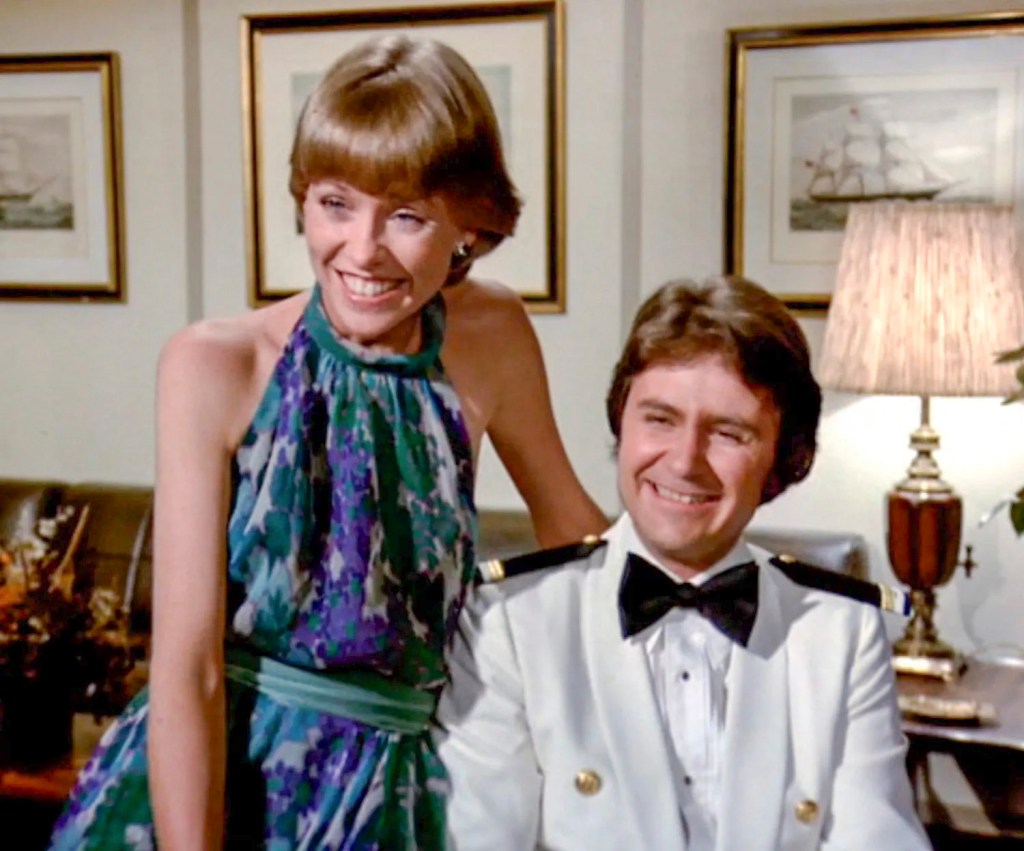
The dresses for dinner seem to me to be the most classic fashions, the ones that transcend the disco era. So many times I find myself pausing the screen during dinner at the Captain’s table and rewinding to look more carefully at the spaghetti strapped gown that flowed so effortlessly when the guest strolled to the table. Sometimes I notice that the evening gowns all follow a similar dress pattern within the episode, the same cut just in different colors with different sleeves or fabrics. The dresses vary in style, with some conforming more closely to a woman’s body and others sweeping majestically across her shoulders and still others sporting soft layers of free-flowing ruffles. Nearly all of them I consider to be elegant gowns, and their cuts suggest sexuality subtly most of the time. Just daring enough to entice a young girl like me to dream about romance aboard Princess Cruises but not too much to offend the older people who were their main customers. Maybe they played on those older folks’ nostalgic longings for youthful beauty, too. I mean, I still watch it today and fantasize about wearing pretty evening gowns and kissing on the deck under the moonlight with nothing but soft waves all around me. Maybe my grandma did, too.
True, the passengers on The Love Boat make some ridiculous fashion choices at times. I cannot count how many times I saw men and women in full clothing sitting by the pool – blouses with collars flipped and pleated dress pants with thin belts. They almost always arrive on board dressed like they are going to church or a business meeting – sport coats and ties, dresses with long sleeves and bows at the neckline, or skirt sets with blazers. I can buy into the theory that back in the 70s, people dressed up for travel more than they do today. I expected my sons to wear collared shirts on their first flight, and they were so mad at me when they saw people wearing pajama pants on the plane. Maybe we have turned down the expectations for travel attire, but I still cannot fathom wearing going-out clothes while sitting by the pool. Then again, maybe the clothes they wear when they arrive symbolize who they are when they board the ship, as if they are still playing the roles they live back in their hometowns. Then, their clothes by the pool represent who they are when they finally get to explore a world away from their daily lives back home, the person they dream they could be. If they are still wearing uptight business clothes, maybe the visual message is that they are very much uptight people who are not comfortable with their bodies enough to shed their societal costumes.
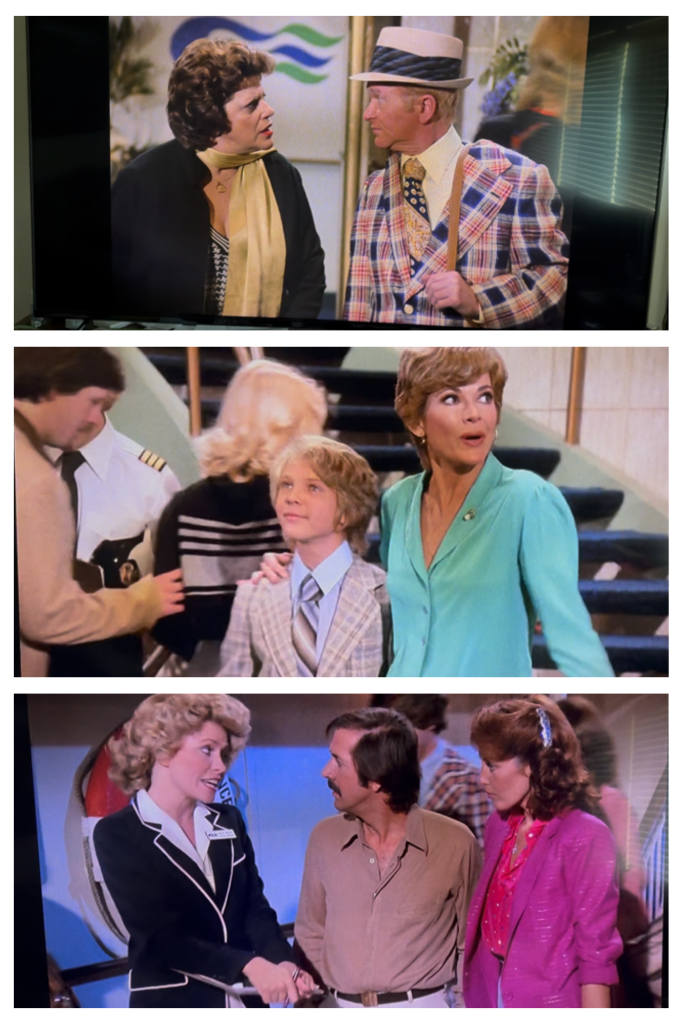
Another observation about pool attire aboard The Love Boat: pantyhose. If you look closely, many women sitting in a lounge chair at the pool are also wearing pantyhose with their bathing suits. I don’t think they intend to take a swim. Most of the time, those pantyhose are tucked into high-heeled sandals one might associate more with a dance floor than a wet poolside. I have thought of a few possible reasons for the pantyhose, and I have no evidence that any of these reasons actually influenced this costuming decision, but consider the likelihood with me, if you don’t mind. Maybe the directors and costume designers chose pantyhose as a way to help the actresses’ legs look evenly tanned, like maybe they were covering up a tan line created by wearing shorts. Could it be possible that actresses wore controltop pantyhose or support hose to keep their legs looking firm and toned on camera? The decision could be as simple as a woman’s legs look great in pantyhose and heels, long and sleek and smooth. The decision could be a purely practical one, like the pantyhose allows for adhesive that keeps the bikini bottoms in place, not shifting in an unattractive way or revealing what it shouldn’t. It is also possible that the pantyhose are a result of some kind of broadcasting rules that restricted what body parts women could show during primetime hours, such as the infamous “no belly button” rule that the show I Dream of Jeannie confronted. Here is an article from The New York Times in 1970 that discusses the issue of costume selection for women on television and how tricky it could be.

Regardless of why they chose to dress the women at the pool in pantyhose and dancing shoes, once you notice it, you won’t be able to ignore it when you watch the show again. The trend doesn’t follow through the entire series or apply to everyone at the pool, either. Some sources cite broadcast regulations as the culprit while others just claim that the pantyhose make a woman’s legs look prettier. None of these possible reasons for the pantyhose are reassuring or encouraging to women though. They all suggest a conscious effort among the show’s creators to present the average woman as meeting an unrealistic ideal for what a pool body looks like. They also subtly reinforce that old idea that a woman’s body presented naturally, uncovered, is dangerous and can lead a person’s thoughts down a dirty and lustful path. Funny that no one ever considered whether requiring a woman to wear pantyhose and high heeled sandals by a pool might lead the thoughts of a woman in the audience down a dirty path of self-shame though.
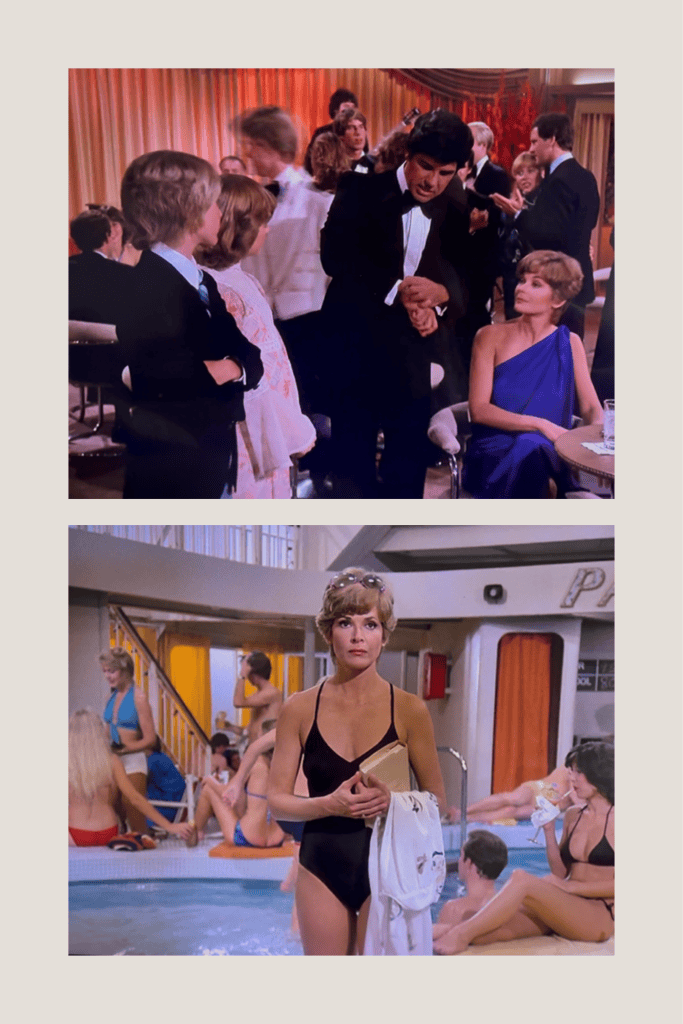
About those bathing suits, though – you won’t often see any woman over the age of 30 wearing one. Older women are almost always the passengers sitting by the pool in a blouse and a floppy hat, which isn’t exactly opposed to reality, especially back then. I cannot remember any of my grandmas ever wearing a bathing suit. When I went to the beach with my Grandma Silvey, she would wear a flowy tank top with shorts that reached almost to her knees. She was the one purchasing the umbrella and the one insisting that we put on sunscreen every time we left the water. My mom, however, wore bikinis into her late 30s for sure. She always wore a two-piece, and she was not afraid to get in the water with her grandkids, which was a big change from when I was a little kid, when she said the chlorine would damage her color and/or perm. Which I can understand now; hair treatments are too expensive to be ruined by one fun afternoon in the pool. The Love Boat at times reinforces these age limitations, but at times, it challenges them, too.
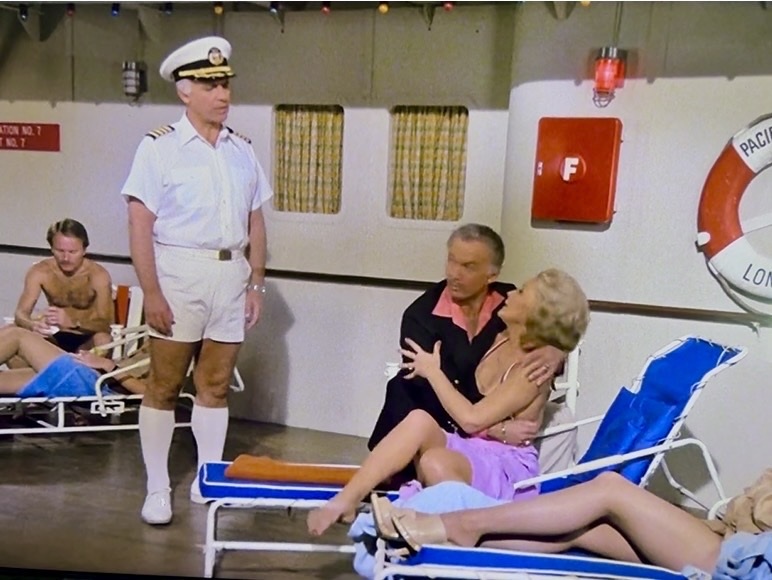
Season 3, Episode 21 (2/2/80)
The truth is that women in my lifetime have worked hard to kill the idea that age should determine our fashion options. We have had opinions thrown our way about what we should wear and why from any number of places. Fashion magazines and talk shows preach one set of rules, polite society in the South have different expectations, and I do not have enough space on this website to recount the messages about appropriate clothing we have heard from the church. For example, older women have told me many times that long hair and short skirts are not appropriate for a woman over 50. When I was a teen, some older people, both men and women, told me that I needed to avoid wearing blue jeans, that they were too masculine, and I needed to wear more dresses. When I was learning about how to behave in a job interview, human resources officials told me to wear a business suit to an interview with no jewelry except stud earrings and a plain wedding band – no dresses, suits only. Now that I am in my 50s, older women in my world make statements about how dresses are not appropriate for older women; dress pants are more appropriate for someone my age. The advice never seems to stop. Many of us GenXers metaphorically give those comments the finger (ok, maybe not always metaphorically and most of the time, after the person has turned their backs).
I guess this cycle I am describing here is nothing new. I remember teaching that one scene in The Scarlet Letter where the old, ugly women say really nasty things about Hester’s design of the “A” they have forced her to wear, criticizing her audacity while admiring her skill. That scene always elicited nods and provoked sympathetic conversations among the young women in my class. It must be a truth in our society that fashion serves both as a method for self-expression, fodder for catty criticisms, and a tool for controlling others, and The Love Boat reflects those truths with a carousel of relatable characters wearing clothes that keep me watching closely.
If you are interested in learning more about the intersection among fashion, history, and television, here are a few links for articles and videos that examine it a little more (including a list of every time a viewer can see pantyhose on screen):
https://flashbak.com/the-disappearance-of-hosiery-10-reasons-legs-went-bare-20137/
https://nyloninfilm.com/index.php/The_Love_Boat
P.S. The source info for each photo is provided through a link embedded in the photos, and links within the text will take you to the website where I found the information I am discussing at that moment.
Post 4 – Turning the Tables on Weight Stereotypes – Friday, August 21, 2026
I began our discussion about size representation on The Love Boat with a quick personal history and cultural history for context purposes (see post 3 below). Clearly, I don’t like media messages of “thin is in.” It is also fair to say that some of the characters on The Love Boat exemplify these ultrathin versions of beauty. Julie, the cruise director herself, certainly cinched a tiny waist in her white uniform pants and corduroy belt. Audrey and Judy Landers made multiple appearances on the show, always looking stunning, but sporting near-invisible hips, even if their curves in other places were immediately visible and admirable.
But not all of the women aboard The Love Boat fell in line with the ultrathin trends of the day, just as they would not have if you were to board a Princess Cruise in real life. Especially the older women. It is almost like The Love Boat accepted that women in menopause will not look like they did when they were 20, nor should they have to look like they are 20 to deserve love and affection. In fact, some episodes nearly ignore the issue of body image altogether except when someone comments that another character is beautiful or is taken aback by someone’s alluring appearance.
One episode flips gender-based stereotypes of body size and attractiveness, though, and to the show’s credit, this flip takes place in the very first season. In episode 23, a storyline called “Captain’s Crash Diet” turns diet culture toward the Captain himself. All it takes to inspire Captain Stubing to starve himself is one comment from his high school crush when she boards the ship and recognizes him. She questions what happened to “String Bean,” her skinny friend from their teenage years. She, of course, is just as pretty as he remembers her, still the prettiest cheerleader.
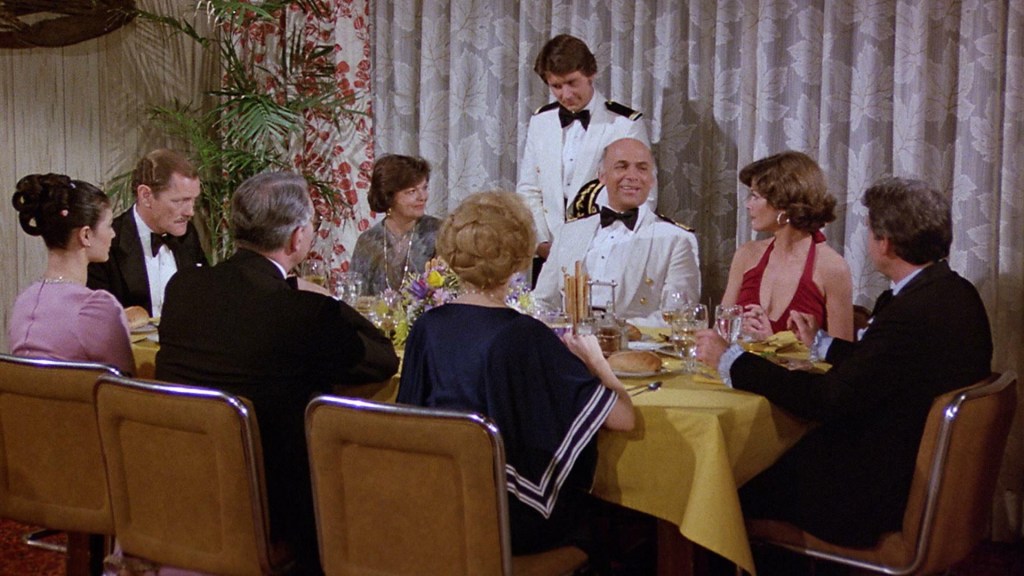
The Captain’s subsequent conversation with Doc exemplifies the confusing messages that come along with diet culture. He asks Doc what he can do to drop some pounds fast, and Doc’s answer is to fast, to stop eating altogether. The Captain agrees, declaring that he won’t eat anything the entire trip, but then Doc says he can’t do that either; he still has to eat something. In a nutshell – you have to eat, but you have to stop eating, too – so what’s a guy to do?
To use today’s lingo, the Captain crashes out. He starves himself and gets really hangry and weighs himself over and over again after every few minutes of exercise. His disposition erodes to the point that the crew has to trick him into thinking he has lost some weight, and the trick works. All of sudden, he is eating again, feeling confident, and sweeping his old crush off her feet on the dance floor. But he hasn’t really lost any weight.
Bottom line: Captain Stubing is miserable trying to fit an unrealistic expectation, but happiness returns easily when he is deluded into thinking of himself as thinner. That one statement holds so much baggage to unpack if we start looking into what it says about our psyches and how our culture values surface-level, commercially packaged beauty ideals just about more than anything else. Why would anyone think that a grown adult in their 50s should look like they did when they were 18?
The delicious part of this episode is its play on stereotypes; the woman takes on a role we often see portrayed as male chauvinist behavior. She comments on the Captain’s eating habits and his looks while dramatically nibbling the morsel she has allowed to sit on the edge of her fork. The gender flip exacerbates the futility of the whole situation, which makes the message against fat shaming jump from the screen. Maybe the writers decided that dealing directly with unfair weight expectations for women was a bit too serious or too convoluted to handle responsibly in a sitcom, so they went with something that would appear a bit more ridiculous, such as a respected and powerful ship captain spinning out of control over a single body shaming comment. Then again, such a farce just might present the truth more clearly than a realistic portrayal. Plus, this episode clearly tells us body consciousness is not just for women.
With the men especially, it is almost like the writers expect us to accept the idea that character A finds character B attractive, regardless of whether we do or not. For instance, there is episode 2 from season 9 (October 5, 1985) in which Vic Tayback (Mel from Alice) plays a violent loan shark who supposedly is attractive and charming enough to woo and win the legendary Connie Stevens, who has played the sexy older woman in multiple shows and movies, like Grease 2 and Clueless. This episode was one of the later ones, airing on October 5, 1985, and it hints at the plot of the 1993 film Indecent Proposal, as the loan shark agrees to cancel the debt of the borrower, played by Franklin Cover (who played Tom Willis on The Jeffersons) if he allows the loan shark to sleep with his wife.

The problem is that the borrower’s wife is not the character played by Stevens; the wife is played by Charlotte Rae (who played Mrs. Garrett on The Facts of Life). Tayback assumes Stevens is the borrower’s wife, but the borrower thinks the loan shark is after his real wife, Rae. He is surprised Tayback finds her attractive, but he believes the attraction must be true because of the way Tayback talks about her (when he is really talking about Stevens). He almost appears as if he is not sure why Tayback thinks his wife is hot, but he concludes the attraction must be a real possibility, and that possibility even re-ignites his own sexual attraction to her.
Meanwhile, all four of these characters are not ultrathin; they look like what I might expect people their age to look like (even if they were younger then than I am right now). Scandal and sexual attraction among the older crowd – who knew? But I like it.
I believe that the underlying message from The Love Boat is that beauty truly is in the proverbial eye of the beholder and that a person’s attraction to another person goes deeper than one’s physical attractiveness. OK, I sort of buy that cliche, I guess, and I appreciate the effort to write stories to promote that message, but I am also perplexed. In reality, would someone who looks like Connie Stevens fall for someone who looks like Vic Tayback? Maybe, if he is charming, funny, intelligent, and/or considerate, but I found Tayback’s character to be none of those.
What bothers me is that I can see how a beautiful older woman, like Connie Stevens, might overlook the gruff exterior of a man like Vic Tayback (even when all I see in him is Mel who owns a diner), but I have a really hard time imagining that an older man would find Charlotte Rae attractive at all, no matter how charming, funny, intelligent, and/or considerate she might be. What does that say about double standards of beauty and age in our society? The ones I grew up to recognize as normal, the cultural standard? And how does that affect the way I view growing older, staying fit, and maintaining attractiveness as I navigate my 50s?
Neither woman in this storyline is rail thin, though, and I count it as a win for mature women to be portrayed as sexually attractive without looking like they are 20 years younger than they are. The comedy of this story, however, hinges on our disbelief that any man would find Rae’s character sexy enough to purchase a night alone with her. We might be more accepting of an older, attractive woman who puts on a few pounds only because older women aren’t considered to have much sex appeal anyway, so if she still looks good, then, wow! What a pleasant surprise!
So where does that leave us? Is love limited almost exclusively to the young and beautiful (thin) people? Many episodes of The Love Boat answer that question with a resounding “no,” but they don’t offer much in the way of portraying anyone young as beautiful unless they are also thin, even as they open the door to sexual attraction among people who are not thin if they are older.
In their last season, though, the show dealt with people’s perceptions of weight in a quite forward-thinking way. Jennifer Holliday starred in Season 10, Episode 1, which aired on November 21, 1986; her character speaks frankly about a concept we still don’t seem to grasp quite yet in 2026. She tells Julie that people just won’t believe that a person isn’t always in total control of their weight, that factors such as heredity prevent some of us from looking like aerobics instructors. She resents the way others link a big body to a less-than-capable mind, but she eventually finds that the people on board gladly follow her exercise routine because they feel more comfortable with someone who understands their own weight struggles. That storyline could be lifted and placed into a 2026 show and need very little updating.

Why does it matter that we look at the size and ages of characters on the show? I am sure that even as I type these words, I will be able to think of some type of exception to what I am about to say, but nonetheless, I feel confident in claiming that body positivity is a relatively new movement, and the pressure to mutilate and punish one’s body until it approaches an unreachable ideal still exists.
We have changed our views of weight somewhat since I was a little girl. More and more girls embrace their unique body types, and we celebrate women of various sizes in some areas of media and in real life, but the unreachable ideal still looms large. In fact, much of the controversy surrounding Arianna Grande’s decision to step away from touring centers on debates of whether she has an eating disorder or not and how her rail-thin appearance influences her fans. https://www.nbcnews.com/news/us-news/ariana-grande-weight-eating-disorders-body-image-rcna590972
As someone who loves to hike, I follow celebrity hikers on social media. I am constantly appalled by how many body-critical comments I see on the page of someone who doesn’t fit a stereotyped look. For every hiker who is larger than anyone else in their hiking group and posts their group picture at the mountain top, there is a troll who posts ugly remarks about their size. To see what I am talking about, check out these two hikers who receive the kind of ugly comments I am talking about here:
Andy Neal (andyfilmsandhikes on Instagram)
Mirna Valerio (themirnavator on Instagram)
We often think of body shaming as a female behavior, and it may skew heavily toward women in reality, but Andy Neal shows that men are not exempt from body shaming. Mirna Valerio battles racist comments on top of body shaming, to which she responds with more photos of her hiking, running, and enjoying time outdoors.
The Love Boat is not exempt from glorifying skinniness, but at the same time, it also deserves some recognition for the few characters who defy those skinny stereotypes. Kudos also to the writers who saw how throwing ideas we associate with women onto respected men can show everyone how diet culture and unrealistic body expectations affect us all.
At our next port of call, I plan an excursion into the world of fashion on board The Love Boat. Hope you will join me!
Post 3 – Weighed Down by Expectations – Friday, August 14, 2026
Just a note before we begin: my first version of this commentary was way too long for one post, so for today, I am posting part one of my observations about size representation on The Love Boat. Naturally, I have a ton to say about body size. To start, I am going to share a little bit about myself along with a short look at body size trends that dominated my formative years.
If I noticed the age variety among the passengers on The Love Boat, then their size variety was the second characteristic I noticed. The passengers on The Love Boat are often beautiful, thin, and young, but not all of them fit this description, and I am glad to see the inclusion of various body types throughout the show’s run. I find the variety of passengers on The Love Boat to be refreshing today as we drown in an ocean of advertisers who try to convince us we aren’t pretty enough and copycat social media influencers who peddle hacks that supposedly will make us pretty enough. And in my world, “pretty” has always been synonymous with “thin.”
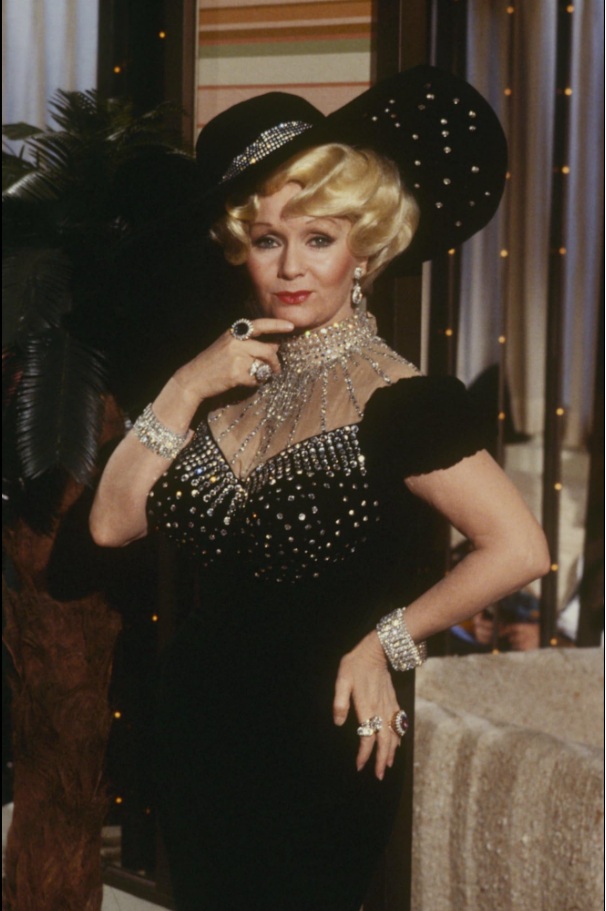
Examining who was thin and who was not among the passengers on The Love Boat might provide some insight into how we viewed beauty in the late 20th century while informing our understanding of today’s social media, with its whirlpool of wellness influencers and trolls, along with our modern society’s battle between body shaming and body positivity.
I must disclose before we begin, however, that I am someone who has battled her weight her entire life, and my mother’s own obsession with body image trained me to look at women’s sizes every time I watch TV. Other relatives also commented on my weight every time they saw me, and some still do, especially in reference to how cancer treatments have or have not affected my weight. The ghost of weight consciousness has always haunted me and continues to do so today. To his credit, my husband tries his best to help me exorcise those ghosts, but they don’t ever seem to leave my psyche completely.
I was also taught never to discuss anyone’s weight, especially my own, but I grew up around certain folks who announced their weight regularly and always in ways we might call humble brags today. For instance: “I have just been so busy, hardly even time to eat. Went to the doctor yesterday, and when they weighed me, I was just a little over a hundred pounds.”
Whenever my mom talked about weight, she repeated this anecdote: “I was 95 pounds when I got pregnant with you. I was 105 when I gave birth to you. You were 6 pounds, 4 ounces. I walked every day and allowed myself one chocolate chip cookie a day.”
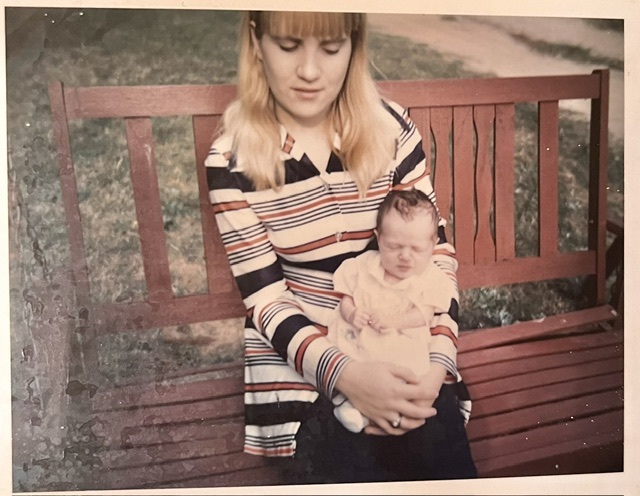
So, yes, weight consciousness and size recognition were programmed into my daily existence, and I am pretty sure seeing the beautiful women on the ship in their slinky, silky dinner dresses served almost as a fantasy for me, an out-of-reach goal that was all the more alluring because of its elusiveness.
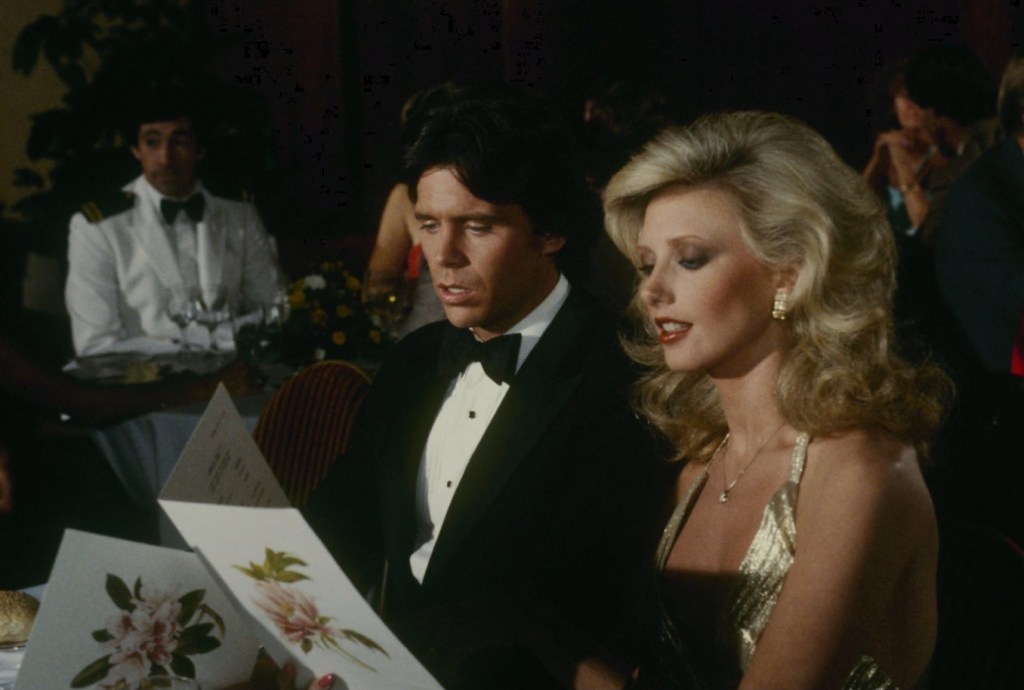
The Love Boat ran for nine complete seasons, from September 24, 1977 – May 24, 1986, plus four episodes in season 10, which ended on February 27, 1987. One might say the show captured the evolution of body trends from the disco era through the aerobics craze. To look at body perceptions during its run, we probably need to start with the 60s to see how grown-ups in the late 70s might have been conditioned to view body size.
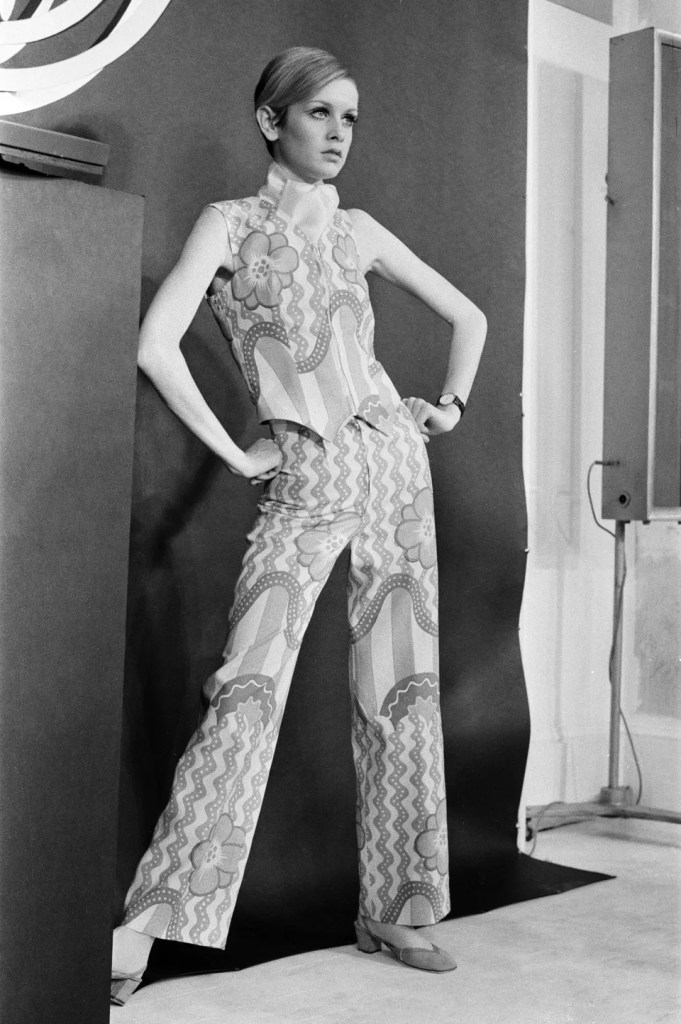
A woman’s thinness was openly valued during the 60s. My mom told me women admired Twiggy’s slender, androgynous figure, which dominated fashion magazines in the 60s. I remember seeing ads in the back pages of teen magazines in the 1970s featuring a teen girl in a bikini with her comment that read something like this: “Nothing tastes as good as being thin feels.” That girl’s photo is burned into my memory because I used to gaze at it and wonder how I could order the diet pill she advertised without my mom knowing.
The catchphrase in the 80s was that one could not be too rich or too thin. Even the massive shoulder pads of the 1980s were meant to make one’s hips look smaller, and truth be told, those shoulder pads only looked good on rail-thin women. The rest of us looked like linebackers if we didn’t cut the pads out of the shoulders of our new blazer.
Then, there was the waif look of the 1990s, sometimes also called “heroin chic,” which some have labeled as a pushback against the healthy supermodels of the 80s. Not sure about how healthy one might be if they try to live up to the “can’t be too thin or rich” motto. In fact, one of the defining moments in the 1980s for me was watching my mom cry over the death of Karen Carpenter, whose battle with anorexia led to the heart failure that killed her at 32 years of age in 1983.
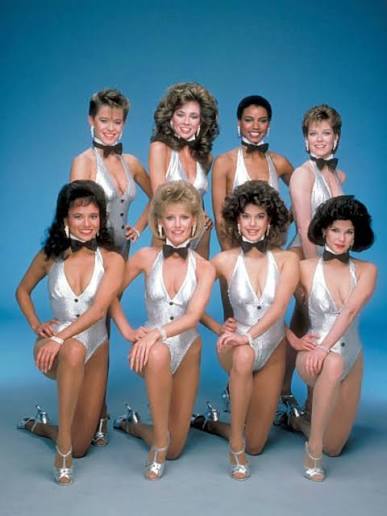
And what about those models and aerobics instructors from the 80s who wore swimsuits and leotards cut higher than their protruding hip bones? Near the end of The Love Boat’s run, a dance group called The Mermaids dressed in hip-bone-protruding costumes (Teri Hatcher was a Mermaid, by the way). In fact, the later the episode, the fewer the characters who could be categorized as being normal or large-sized if compared to the average woman in the United States, until you reach the last season when they hit weight management as an outright plot point, which we will examine a little more closely in my next post.
Maybe a backlash to those so-called “healthy” hipbones of the 80s would require looking like a heroin addict in the 90s. In fact, the BBC reports that famous 90s supermodel Kate Moss now regrets saying aloud that “nothing tastes as good as skinny feels” in her interview with a women’s fashion website back in 2009. Regardless, I was born in 1971, and my formative years were soaked in messages that to be beautiful, I always needed to lose weight, to make myself smaller. I am sure the message to slim down as my personal mental refrain colors the way I look at the sizes of characters on The Love Boat now, just as it did then. This is the context in which I present size representation on The Love Boat in my next post, so I want to acknowledge first that my conclusions about the value of representation cannot be separated from my personal struggles with body consciousness. I also want to assure everyone that I will look at the guys on board, too.
As a literacy teacher, I often tell my students that their unique experiences will produce a unique interpretation of what we read and that comprehension starts with the reader’s personal reactions to text. Let’s see if I can put my teacher words into action in my next post, which will provide a few examples of how size is portrayed on The Love Boat.
Until then, I would love to hear your thoughts about body consciousness and media representation; feel free to respond and share your insights and experiences here.
P.S. The source info for each photo is provided through a link embedded in the photos, and links within the text will take you to the website where I found the information I am discussing at that moment.
Post 2 – Learning from the Old Folks – Friday, August 7, 2026
After posting my first blog, I was tickled to see how many others enjoy watching The Love Boat as I do. I love that we share this affection for the show. I have to concede, however, that I am no pop culture expert or an expert on the show itself. I am in the process of rewatching it, so I may miss a prime example of the topic I am discussing just because I have not run across that episode yet in my re-viewings. My simple plan is to rewatch the episodes with new eyes, which means I cannot provide the insight of a media literacy scholar. I just want to look back and see what an old favorite show might say about my culture and about myself.
Now that I have introduced my concept for this blog series, my plan for the next few posts is to discuss specific aspects of the show I admire, starting with the diversity of characters. The show’s theme song says, “The love boat promises something for everyone,” and I believe they tried to live up to that claim. Certainly, the passengers can’t exactly be considered diverse by today’s understandings of diversity, as they were predominantly straight, white couples with token representation of different ethnicities at times. Among the diverse characters, however, was at least one older couple in each episode, and that is the first observation I would like to explore.
I probably ignored the old folks on board when I watched the original broadcast on Saturday nights, but it is not surprising that I pay more attention to the passengers’ ages now than I did back then, since I’m as old now as they were then. You can find Gen Xers like me all over social media posting the ages of the Golden Girls when that show aired. We claim to do this as a reality check on ourselves, but I believe it is really because we want to reassure ourselves that we look so much younger than they did. And we do look younger than they did at our age.
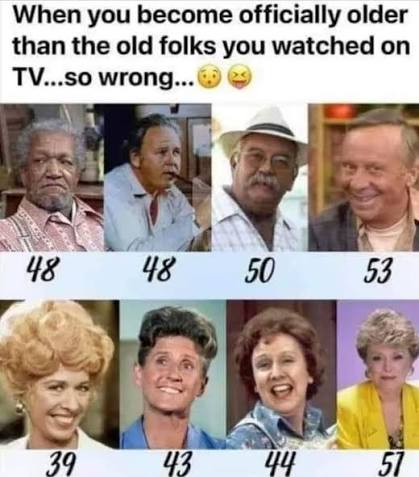
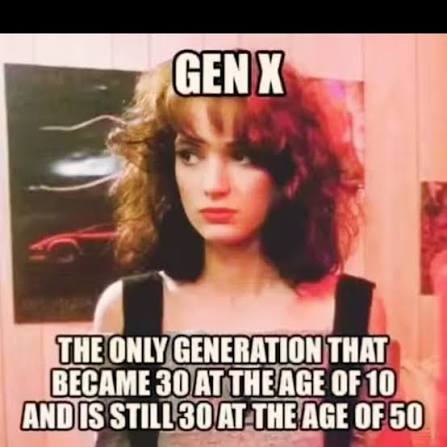
Gen Xers muse that we have always been stuck at 30, even when we were 17, just like we like to laugh at memories of covering ourselves in baby oil for suntan lotion, but we have also spent plenty of money on face creams to repair the damage done on those afternoons of “laying out in the sun.”
The truth is, few of us are exempt from falling prey to our society’s obsession with youth, even though we try to resist it. We cheer celebrities such as Pam Anderson and Alicia Keys, who speak out against our society’s obsession with unnatural beauty, but we also comment on how young Jennifer Aniston and Jennifer Lopez look.
If we are obsessed with looking young because we associate youth with romance and excitement, then The Love Boat offers a counter perspective, as romance on board the ship knows no age limit. I have yet to see a single episode that did not feature at least one couple over 50, and the storylines varied. On the one hand, the writers center relatable family issues that transcend geography or wealth. For example, storylines often feature parents whose marriages are struggling because of everyday family issues, such as disagreements about children, a job that draws one partner away from the other, or an overbearing grandparent whose opinions cause division in the marriage.
On the other hand, the writers present stories where older people are the center of scandalous or surprising plots. For example, in the episode “The Lady from Laramie,” which aired on November 14, 1981, the writers flip some tired tropes that rely on gender and age stereotypes in a rather refreshing way. To use a concept we literacy scholars use, this episode acts almost like an effort to re-story the movie Pretty Woman long before that movie was produced. The main character in this story is a wealthy widow who rescues a poor gigolo from his career of marketing his attractive body and working as an escort for wealthy old women by offering him an honest partnership in business and love. All of the characters in this storyline are at least in their 40s. This storyline disrupts our ideas of wealth, romance, sexual exploitation, and those stereotypes about gender and age while opening multiple avenues of discussion about these issues.
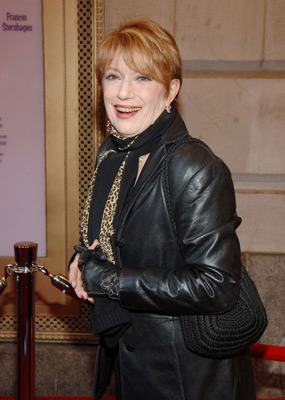
Choosing to feature older populations might have been a purely practical decision because when the show aired, a huge proportion of cruise patrons were elderly. In fact, according to History.com, when the show premiered in 1977, most cruise lines catered to wealthy retirees, who were their primary customers. So, it makes sense that the show would include storylines with older people, but it also reminds us that America’s obsession with youth alienates and/or ignores a vibrant and significant segment of the population. Watching the show with age in mind might just wake us up to some ways ageism has evolved. How are people over 60 portrayed in the modern sitcom? Do they look much younger than they are? Is romance a part of their lives?
One especially interesting episode directly addresses ageism (S5, Ep. 26 – “The Professor Has Class”). Captain Stubing is excited to welcome aboard a 91-year-old professor, who is world-renowned for his research. Also on board is a former student of the professor who has been hired to replace him, but she soon learns he has no idea the university does not plan to ask him to return next fall. The student and her professor engage in charming discussions throughout the episode, and when she finally tells him that she has been hired to replace him, he is gracious in his disappointment. He even sends a telegram to the university to commend them on their selection, but the former student stands up for her professor. She sends the university a telegram saying she will not accept the position unless she can retain her former professor on her team. Certainly not an exciting story, but a relevant one that takes a clear moral stand for the viability and value of an old person’s life, even as it acknowledges our limited ability to challenge age discrimination in the workplace.

Showing love in many forms among various age groups shows the variety of love itself. Of course, there are the types of love that have stolen our attention throughout time – romantic love, parental love, and divine love. Yet, there is also the love that exists and develops among siblings, between a mentor and mentee, or love among friends. None of these loves, including romantic love, recognize age limits.
The Love Boat may have presented love superficially with tidy resolutions, but the stories provided age representation, from teenagers to folks in their 90s, and we have learned that representation matters. If we see a couple in their 60s rekindle their romantic relationship or iron out an old disagreement, then we cheer for love’s victory and endurance. That’s an inspiring message for anyone battling daily challenges that make romance seem out of reach or unrealistic. Even worse, those daily challenges sometimes make our loved ones themselves seem out of reach, and The Love Boat often features stories of someone reaching out again to someone they feel they are close to losing.
Here is an enduring truth consistently presented by The Love Boat: old people still long for love, affection, romance, and adventure. They desire and deserve to be embraced affectionately as much as any 20-year-old. My longings for slow dancing in the moonlight have waned not one bit since I was a teenager, and I don’t care if young folks roll their eyes when they see Marc and me swaying to the music and exchanging kisses at the outdoor concert downtown.
Maybe I cheer storylines that center older people because I am in my 50s, battling cancer, and confronting my own mortality, but I have also seen age discrimination affect people my age. It does my heart good, as my people might say, to see some old folks dressed up, dancing after dinner, and sharing passionate kisses in the moonlight.
If The Love Boat inspires us Gen Xers to celebrate romance in our 50s and 60s, so be it. You young folks will just have to look the other way if you don’t like seeing us love on each other because life truly is too short to throw away a chance to show somebody that you love them.
P.S. The source info for each photo is provided through a link embedded in the photos, and links within the text will take you to the website where I found the information I am discussing at that moment.
Post 1 – Setting Sail on Friday, July, 31, 2026
Definitely nostalgia, some achy longing for a time when the world seemed to offer me unlimited options, and I dreamed of sweeping romance. It must have been nostalgia that pulled me into watching reruns of The Love Boat. Watching that show takes me back to spending the night at my Grandma Silvey’s house, and I remember very clearly the Saturday night lineup of shows that served as weekend entertainment when I was somewhere around 8 years old. On Saturday evenings, my grandparents always watched Hee Haw and The Lawrence Welk Show around supper time. Later in the evening, some time just after our baths, when we were dressed in our nightgowns, and I probably had pink foam rollers in my hair so I could look pretty for church the next morning since I didn’t have natural curls like my sister, The Love Boat came on. Just before we crawled into Grandma’s bed in “the yellow room,” my sister and I parked ourselves in front of the Zenith floor-model TV in the den, where I imagined my future and fantasized about finding romance on a Princess Cruise.
I loved that show. I loved the romance of it all: the beautiful dresses, dancing after dining, and sweet kisses on the deck while the moonlight lavished a soft haze over the entire scene. My sister used to squeal and clap when actors kissed on screen; I just silently sighed and imagined what a kiss like that felt like. But I knew that with every new episode every Saturday night, I would meet new characters kissing on that deck in the moonlight. Those stories ignited my imagination, as I would sometimes weave them into stories I concocted in my own mind, inserting myself into the drama on the high seas. The show certainly contributed to my understanding of romance as I entered my teen years (yikes!), but its influence reached beyond the starry-eyed fiction of a little girl who was already beginning to feel like a misfit. It had an impact on me personally, but it might be considered a cultural touchstone for Gen Xers in general.
The influence The Love Boat had on the cruise industry is already well documented, as it set off a cruising craze that continues today. In fact, Princess Cruises has launched a series of Love Boat-themed cruises to feed our generation’s nostalgic hunger for the show, even though the original ship no longer exists. The Love Boat impacted history, and I am glad I was able to watch the original show in my grandma’s den way back then, but I find myself rewatching it at least three nights a week now, usually right before I drift off to sleep. What is it about this show that keeps drawing me back? What is it about this moment in time that sends me back, right before bedtime, to an overly sentimental and predictable sitcom about romance on a cruise ship? Those might be my central research questions, if you will allow me to co-op that academic perspective for this informal exploration.
My love of the show goes beyond longing for a simpler time and missing my little sister, so I would like to set a course for adventure, where I might search for some reasons I find pleasure in watching The Love Boat in 2026. I want to approach this adventure from my current perspective as a 54-year-old woman very much in love with the man she married 24 years ago. I also want to think about 8-year-old Kristie and what this show taught her about life and love.
Over the next few posts, I plan to share some observations I have made during my recent retro-viewing-fest, not necessarily to urge anyone to watch The Love Boat again, but to look at what it reveals about our society then and now. I want to see how watching this show during formative years of my life shaped my understanding of concepts such as romantic love, beauty, and luxury, but also how it reflects what my culture values or doesn’t value. How have those values changed over the last 40 years? I hope to share some personal stories, maybe an outside reference or two, and a lifeboat full of ponderings.
For those who are unfamiliar with the show, or who don’t remember the context, here is a quick catch-up before we dig into specific storylines. The Love Boat exemplifies the definition of a sitcom: every episode is situated within the context of people embarking on a cruise, mostly for vacation. The only consistent characters are the ship’s crew, and we grow to love them in their quirkiness, if not for the depth of their stories. In fact, I often wondered how they ended up spending their lives on the ship. We do receive hints of a backstory or two, such as suggestions that Captain Stubing battles alcohol addiction, and Dr. Bricker has a sordid history of multiple marriages. We begin to understand why his marriages have failed as we observe his heated attractions to a new woman on board in every episode. I believe one reason the show was successful was that the core crew, which consisted of Captain Stubing; Dr. Bricker; Julie, the cruise director; Gopher, the purser; Isaac, the bartender; and Vicki, the Captain’s surprise daughter, stayed consistent for the majority of the show’s 10-season run, from 1977 to 1987.
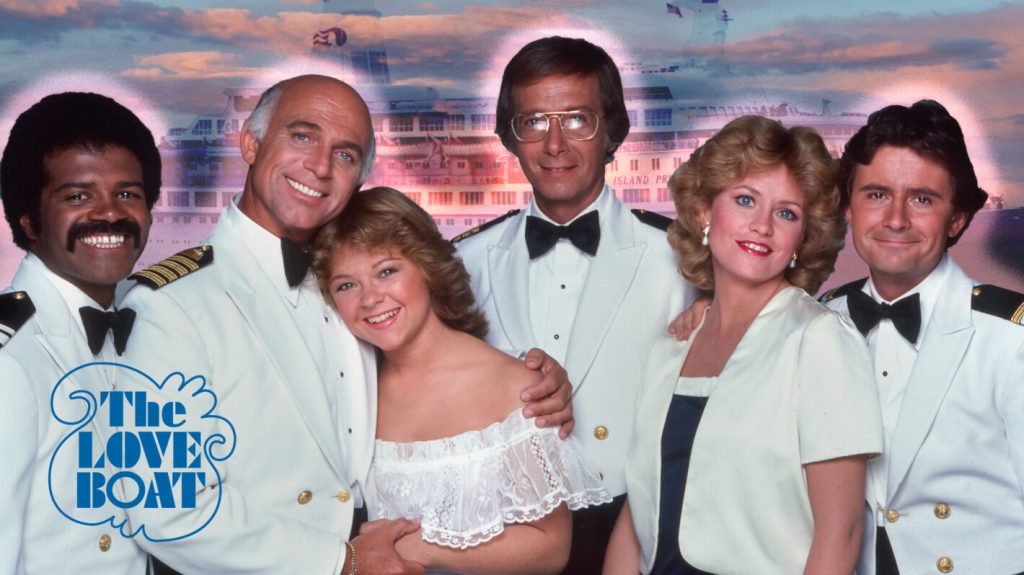
The focus of each individual show, however, is the unique cast of characters who board the ship for a cruise each week, and we travel along with them, as the crew leaves once again from Los Angeles to explore exotic locations such as Puerto Vallarta and Acapulco. Their stories are varied, but they often follow a predictable pattern, and the conflict must be resolved within that one episode, as next week’s episode will feature different passengers (except for the rare “to-be-continued” episodes).
The Love Boat has been the subject of countless criticisms along with some good-natured ribbing, but haters, hear me out. I do not write these posts in a self-indulgent attempt to legitimize my fangirl indulgences. I don’t need to legitimize my fangirl indulgences. I am a grown woman who can watch whatever she would like on my streaming services and post sappy comments all over my social media, if I wish. No, I think I see something worth noticing about this old show that helps me navigate our turbulent, influencer-led, drama-laden, digital world right now. I wonder if you might see something similar or related that we can discuss, so I choose to share my thoughts.
Some criticisms of The Love Boat are certainly worth mentioning, though. I concede that each week’s show contains some overused, trite storylines acted out by network-contracted players who might be considered second-tier actors. I also know the storylines reinforce some gender stereotypes in clearly heteronormative ways, and network executives only begin to include characters who are not white in the later episodes. These are valid criticisms that apply to many television programs in the 1970s, but The Love Boat aired around the same time as All in the Family, The Jeffersons, and M*A*S*H, all of which took some uncomfortable looks at common injustices in modern society. Therefore, it is worth noting that The Love Boat often played it safe when writing storylines that dealt with controversial issues, but I also think we can see that the show did not ignore controversy either. We can commend the moments when the show dipped its proverbial toe into choppy waters, analyze its shallow presentation of the topic, and compare it to how the issue is treated in today’s media. From this, I hope to draw some conclusions about the show’s value, while considering how sitcoms might have shaped our opinions on controversial issues.
TRIGGER WARNING – The next paragraph discusses a very sensitive issue.
Addressing these criticisms is a great way to take a critical look at the show. We can contemplate how the show provides a too-tidy ending in stories that deal with complex issues, for example. We might look at episode 21 in season 8. In that episode, a mom (played by Florence Henderson, a.k.a. Carol Brady) finds out her new husband has been at least what we might call “sexually forward” or “sexually suggestive” with her daughter. We are not sure of the extent of his inappropriate behavior, but we know he is a scoundrel. She leaves him as soon as she discovers the truth, and she apologizes to her daughter, but the show ends with the mom and daughter leaving the ship together, the husband nowhere in sight. No consequences for the predator, who apparently disembarks freely, off to prey on some other woman. We know he will continue his evil ways because we have seen him harass Judy, the cruise director, who had replaced her sister Julie by this point in the series.
In this example, the show’s writers introduce a story that confronts a very real and heinous truth for many viewers, and they clearly portray the predator as a villain, but they do not go much deeper than that. Maybe asking them to do more than that is unreasonable, since we are talking about a sitcom that has to resolve, in less than an hour, three storylines built almost entirely on character sketches. Yet, as I wrote about this episode, I felt the need to add a trigger warning because I know how sensitive the subject of sexual assault is. I wonder how harmful it might be to a survivor of sexual abuse, who might be reading this post lightheartedly, to be smacked in the face with a traumatic memory prompted by my episode synopsis. Watching that episode, which originally aired on February 9, 1985, helps me to think about how far we have come in dealing with sexual harassment and abuse. It also invites me to question how effective we have been in preventing abuse from happening altogether and/or helping victims heal. Do we do more in 2026 than just separating the victim from the predator? Or less?
These are the kinds of contemplations and observations I want to explore in this blog series, which might serve as a framework for self-reflection and cultural commentary. In my next post, I want to begin by listing a few reasons I love re-watching The Love Boat, and I may throw in some anecdotes, some links, and maybe some spiritual insight here and there. I know our first port-of-call, but where the winds take us from there, we’ll just have to wait and see.
I hope you will set sail with me. Welcome aboard, it’s love!
P.S. The source info for each photo is provided through a link embedded in the photos, and links within the text will take you to the website where I found the information I am discussing at that moment.
See my Substack Series on Navigating Cancer as I consider the book of Job:

For my older pieces, please see my original blog site:
MY ORIGINAL BLOG SITE
In my Forties
By Kristie Camp
As far as conscious memory goes, life in my teens centered on what other people thought – a tight-wire balancing act between wanting to be included because I was loved and wanting to be admired for being different, unique, cool. Having the hip haircut, listening to the newest bands, skipping school with my group, sharing secret memories together. Perception was reality; therefore, I had to craft the perception.
Then, in my twenties, I lived in hot pursuit – always seeking adventure, a passionate love affair, a meaningful and prosperous career, an extended education. Always chasing that mirage of what life was supposed to be.
I spent my thirties as a mom, raising two boys. My life was not my own in my thirties; I lived for them, for my husband, for my job, for my church, for my social standing, for my reputation. Trying to earn respect, seniority, a place of authority.
But somewhere in my forties, I decided that I could go ahead and open the Amaretto coffee creamer even if I hadn’t fully finished the coconut crème coffee creamer.
Somewhere in my forties, I decided to wear my hair as long as I wanted it, sometimes with bangs, sometimes letting the bangs grow out, sometimes braided, sometimes with a headband, and even sometimes hot-rolled. Just because.
Somewhere in my forties, I decided to download the greatest hits of Glen Campbell, Chicago, and Marvin Gaye. And I listened to them all on the same playlist with Loretta Lynn, Bruce Springsteen, and Justin Timberlake.
Somewhere in my forties, I decided to take a Sunday morning and write poetry.
Somewhere in my forties, I bought a blue rain hat with a floppy brim and pink flowers, and I wore it to work on rainy days, all the way into the building, not removing it when I received a second glance.
Somewhere in my forties, I stopped advertising my beliefs, fully intending to live them instead.
Somewhere in my forties, I decided that I could spend $15 on authentic honey-lemon bath wash from a boutique while buying lotion from the dollar store.
Somewhere in my forties, I began buying dresses that hugged my curves, and I splurged on gel-polish manicures.
Now, at 45, I look over the edge, pondering the second half. I look out of my cloudy living room window with only a longing to be in the yard, planting more and trimming more. I examine the blank page on the computer screen, my fingertips itching to tap the keys. I toss a frantic pattern of books, swapping one for the other according to my mood.
Yet, even now, as I look in the mirror, I worry that the cut is too low and the eye shadow too dark. I weigh myself every morning and watch the numbers on my FitBit. I yell at the posts I see on Facebook, but I won’t type a word or say a word. I still keep some book titles hidden, along with a few songs on the playlist.
And the pendulum of guilt swings back and forth, tick-tock, tick-tock, tick-tock.
Duel Purposes
A Reflection on Hamilton in AP English Language
By Kristie Camp

I knew my students would love Hamilton as soon as I started listening to it myself, and I knew I had to get it in my classroom. The more I listened to the Broadway cast album as I walked around my neighborhood for my daily stroll, the more I plotted and planned how to incorporate it into my daily instruction of American founding documents, speeches, essays. Like I said, I knew they would love it; I just didn’t know exactly how deeply the play would affect them.
I first heard about Hamilton from our drama teacher last spring when she staged a school version of In the Heights, Lin-Manuel Miranda’s first Broadway hit, which was a hit with our students, as well. While we were discussing how perfect In the Heights was for our students, she commented, “The guy who wrote this has written another rap musical about Alexander Hamilton.”
“Really?” I asked, perplexed as nearly everyone is when they first hear of the concept behind Hamilton. And sure enough, after she told me about it, I started seeing comments about the off-Broadway hit on social media, and by the time school began again in August, Lin-Manuel Miranda began showing up on talk shows to promote the release of the cast album. So some time around October, I began listening to the album, falling in love with the characters and the poetry and the music itself.
So, when we came to back to school after Christmas break, I had a plan to play one song each day at the beginning of class as our warm-up activity. We would listen to the song, discuss the literary elements of the song, and then move on to our rhetorical analysis of Jonathan Edwards, Patrick Henry, Thomas Jefferson, and Ben Franklin. And that is how the journey began.
As we listened each day, the students fell in love. I would watch their faces as they listened. At first, they turned their heads in curiosity, surprised by the way they found themselves captivated by the story from the very beginning.
“I thought this was going to be whack, Mrs. Camp,” Zyria said after the first two or three songs, “but this is really good.”
I used the lyrics to teach concepts such as the self-made man and ad hominem fallacy. I used the structure to teach about Aristotle’s definition of tragedy and how the musical very nearly lines up to a perfect classical tragedy (even with the role of the Greek chorus being performed by the ensemble comments). We talked about narrative structure since the antagonist tells the story of the protagonist, and we talked about how the music associated with each character builds a thematic motif for that character that plays its way all the way to the end.
Each day, the kids found themselves more and more enthralled. They picked up on the rap allusions (“10 Crack Commandments” and “Now ya know, Mr. President” and “Let’s go” elicited nods and comments and fist pumps). They went home and listened on Pandora and Spotify and Apple Music and You Tube. They started bringing me stories of parodies they had found online. As we encountered new moments in Hamilton’s life, students would Google the event while the song was still playing and then offer their discovery to the class when the song ended. The short bio we read of Jonathan Edwards before we began our study of “Sinners in the Hands of an Angry God” mentions that he is Aaron Burr’s grandfather, but when they heard Aaron Burr sing “my grandfather was a fire and brimstone preacher,” they said, “Oh, yeah! That makes sense. He has that ‘going to hell’ stuff in his head.” The play was a hit with my kids just like it is with all the rest of America. Yet, two particular moments in our study stunned me, left me with more questions than answers.
“You have no control / Who lives, who dies, who tells your story…”
First, Maria Reynolds. I set them up for it; they knew Hamilton’s fall was coming. I had taught them about the characteristics of a tragic hero, how his flaw is a positive character trait that nonetheless brings his downfall. We had decided that Hamilton’s desire to “rise up” and establish a legacy, his ambition, would bring his fall, especially after we heard Burr say, “soon that attitude will be your doom.” I thought they were ready for Maria Reynolds.
Halfway through “Say No to This,” I saw jaws drop. I saw heads shake. I saw eyes avert from the screen to their desks. I heard gasps. I heard as many “no!”s from my classroom as from the song itself. As soon as the song ended, they said, “Why did he do that?” and “I can’t believe he did that!” and “Well, he’s screwed now.” The Googlers added, “It went on for three years!” My first period told my 7th and 9th period about what they were going to encounter in English class that day, and even the forewarning from the other students wasn’t enough to dampen or soften the heartbroken (and a little embarrassed) reaction from my students.
Now, my kids are not strangers to the concept of a sex scandal. We live in South Carolina where our former governor told the world he was hiking the Appalachian Trail when he was really flying state planes to Argentina to see his girlfriend while his wife and sons wondered where he was on Father’s Day. They are social media junkies who tell me crazy stories about the sexual escapades of the Kardashians or other celebrities. And who is cheating on whom at Gaffney High School always takes center stage of any nearly any discussion around school. So, why were they so devastated by Hamilton’s indiscretions? I had taught them about Thomas Jefferson’s sexual relationship with his slave, Sally Hemmings. They knew of Ben Franklin’s philandering ways, also, so their shock shouldn’t have come from a mistaken idea that people just didn’t do those things back then.
Had they found themselves so attached to Hamilton as Miranda presented him, so whole-heartedly believed in him, that they felt as betrayed as Eliza herself? I think this may be the case because when we listened to “Burn,” the tears began to flow. The girls sniffed back the tears, and the boys looked away in response to the raw pain in Phillippa Soo’s voice in “Burn.” In fact, many of the boys didn’t know how to handle her wrenching, “You, you, you, you”; some giggled nervously when we hit that part. The rawness of heartbreak was real to them on at least three levels: 1) They have felt betrayed at some point in their own lives. 2) They believed in Hamilton, his dreams and ideals, and feel betrayed by him themselves as if they were there. 3) They commiserated and empathized with Eliza, the wounded wife, the loving supporter, the hero of the story before they even knew she would end up being the story’s hero. In fact, the heartbreak they feel along with Eliza makes the ending all the more powerful because they comprehend the remarkable nature of her strength in forgiving Hamilton and in working to preserve his legacy (and are quite in awe of that strength). At the end, my students said, “Eliza went through it, Mrs. Camp.” They told me, “She lost everyone and still kept going.”
One young man in my 7th period said, “So, who would have thought Eliza would be the real hero of the story?”
I responded with, “Cameron, say that again out loud so the rest of the class can hear you.” So, he did.
Another young man said in response, “Eliza, how can she be a hero? She is woman!”
The rest of the class groaned and responded with comments such as “Shut up, CJ,” but the idea stuck.
Eliza carries on; Eliza is a symbol of strength and forgiveness; Eliza endures. They had found someone to admire in the story even if the protagonist had broken their hearts.
The second moment of reckoning: the duels. They thought the first duel between John Laurens and General Charles Lee was entertaining. They laughed at Miranda’s portrayal of Lee (“Wheeee!”), and they admired Laurens from the beginning, especially since he was from South Carolina, and as a favored son of South Carolina, one who bucked the slave system we are so well-known for. They cheered for him throughout the first act.
The second duel elicited quite a different response. They began to piece together the similar tune of the counting of one through nine in “Ten Duel Commandments” and of Eliza teaching Phillip to play the piano and count in French. Again, they saw the inevitable coming, but they weren’t able to prevent the onslaught of tears when the inevitable arrived. They also knew how Hamilton would die before we arrived at the Hamilton-Burr duel (of course, that’s the part of Hamilton’s life everyone knows). Yet, when the play was over, they sat in stunned silence until someone gathered enough courage to ask, “What would happen if he hadn’t gone to the duel?”
“He would have been dishonored, labeled a coward, and probably blacklisted from society,” I answered.
“I guess I would be a coward then. Who would go to a planned shooting where you know you could die?” This comment or something similar erupted from every class at the end of Hamilton, and we spent the next 5 -10 minutes discussing the history of duels and the notion of honor and what we do today to defend someone’s honor. Yet, questions about the duels kept coming; the duel scenes stuck with them, plagued them for days.
Overwhelmingly, my students were bothered most by these duel scenes, the moments of arranged and gentlemanly violence. My students, who watch violent movies and play video games such as Black Ops, and who listen to popular music that treats death as an expected and somewhat honorable occurrence. My students, who lost a classmate last year to suicide and lost two more friends this year to an accident caused by their friends’ own drug use and impaired driving. My students, who see gun violence portrayed on daily news broadcasts. My students, who come from homes where owning a gun for protection is seen as standard procedure and who live in a town where not owning a gun is viewed as naïve and not smart. My students, who witnessed the hysteria and heartbreak and fear caused by a serial killer stalking our very own town and killing people we knew personally just seven years ago. My students, who just last summer witnessed the gruesome slaughter of innocent church members just miles down the road in a place where they often spend summer vacations and take school field trips. And yes, my students who even own guns themselves and often go hunting in the morning before school even starts – these very students so accustomed to gun ownership and who respect the power of guns and who do not blink when they hear about a murder or a school shooting were silenced and bewildered when they witnessed a familiar duel that actually took place 200 years ago but came alive and played vividly on the stage in their minds. Why?
Could it be that the art itself, the music and the drama portrayed through the lyrics, catapulted a common occurrence into a realm that news broadcasts, and even reality itself, couldn’t capture? Miranda’s story captured their minds and hearts at a level that transformed seemingly abstract (even if common and familiar) concepts such as dying, defending one’s honor, facing death with courage, and showing mercy to one’s enemy into one concrete lump in their throats that just wouldn’t settle and that sat stone cold and still in their bellies when they managed to force it down.
For years, when I taught Aristotle’s definition of tragedy and explained the notion of a catharsis, I taught it as a purging of emotions, a way to express our grief and frustration in a healthy, vicarious way. We would get those negative emotions out, throw them up and walk away clean. Yet, maybe a catharsis is something more. Maybe a catharsis is more of a way to internalize those emotions, a way to connect to humanity by making the emotions raw and tangible, yet able to be expressed freely in a safe place – the theater – where those emotions are welcomed and accepted and celebrated as part of our humanity. A catharsis is more of an awakening when we have fallen asleep to the pain that surrounds us, to the injustice that has become routine.
I don’t know exactly where to go from here; I am in the planning stages of a new unit based on Hamilton’s music for next year. Yet, this new perspective has awakened an old longing in me, too – a longing for that sweet spot of learning, that moment when heart and mind connect to make new meaning that lasts far past a test. I am certain we hit that sweet spot this year with Hamilton, and I know my students will carry that moment with them far past their use of the musical as evidence on their AP exam. In fact, I pray that this year’s experiment was not a moment, but a movement. Thank you, Lin-Manuel Miranda.

