COVID-19 Blog 2
Sunday, April 19, 2020
humans are resourceful
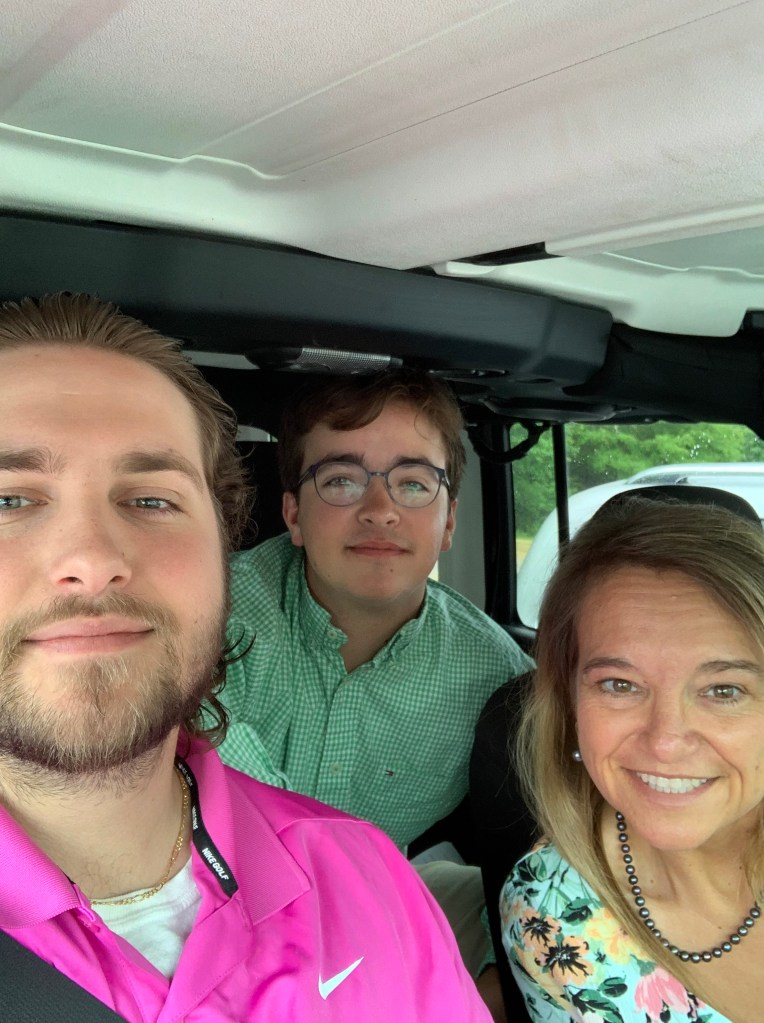
At 2 pm today, I will sit in my Jeep and attend church in a parking lot. Doesn’t matter if it rains – if it does, we will hook up the preacher to our FM transmitter. If it doesn’t rain, we will roll down our windows and enjoy the breeze and the Word of God as it floats through our vehicles in spoken word and song.
Since we need to shelter in place for the health of all our fellow citizens, our church population has tried to comply and make sound, safe choices for everyone. But we also feel the need to connect with each other and to remind each other that our faith will see us through. Maybe we need to see each other to be reminded of that faith, or maybe we just miss each other, so we try to come up with a compromise – a plan that allows us to do both. We thought about the rules set in place to keep us safe and then set up a drive-in church service, much like many other churches in our area have done.
Such is the proof that the cliché is accurate – necessity really is the mother of invention.
In my first COVID-19 blog, I mourned the loss of daily interactions that seemed permanent and reliable before this virus hit us. Today, however, I want to reflect on one of the sweet glimpses of hope I see coming from this pandemic – the certainty of human resourcefulness and adaptability.
Our first attempt at drive-in church didn’t include the FM transmitters, and we didn’t have the benefit of a text message that included a photo of the hymnal’s music. Those two items came along later as we confronted difficulties with the original plan or desires to improve the original plan. The original outdoor speakers and microphone worked great until the forecast promised rain. Plus, we wanted to sing multiple verses of our favorite hymns, so someone thought of sending the sheet music out in our regular church Remind Messages.
Each week that we needed to stay at least 6 feet away from each other led us to a new addition or an improvement on the way we did it the week before. Determination to hold services for spiritual renewal while keeping everyone physically safe propelled us to new experiences and understandings, and now the outdoor service runs almost as smoothly and feels almost as normal as the traditional indoor services that developed over hundreds of years.
WE DEVELOP AS WE NEED TO GROW
While the pandemic may have shaken us at first and caused much sadness for all that we have lost, it also forced us to look at our needs and desires in new ways. One of the most obvious examples is school.
I have taught high school English for 23 years now, and I remember the days when we gave handwritten midterm reports and had to record grades in green gradebooks and then average them ourselves, by hand with a pencil and a calculator. That is a long way from the school-issued Chromebooks my students receive each year, along with an account on our online learning management program called Canvas. My students have been fairly well acquainted with uploading assignments to Canvas and receiving reminder notices on their smart phones through the online program Remind. In fact, they are so comfortable with Remind that they have been regularly sending me questions about assignments in the middle of the night long before the virus drove us into e-learning exclusively.
So my students didn’t suffer as much of a transition to remote learning as some did, and I know the transition had to be especially challenging for teachers in primary school grades, but all of us experienced some moments of displacement and adjustment. I was used to reserving class time for practice with immediate teacher feedback or for my reading aloud and interacting with the students and the story in real time. Classroom time was set aside for planned Socratic discussions and learning based on modeling and social interaction. They could upload their final assignments on their own to Canvas because class time was reserved for human learning time.
As a result, when we were all sent home, my students and I felt robbed of personal interaction, along with the certainty that I would be able to explain further, give them feedback, point out what they had not noticed, or answer questions about what comes next when class started tomorrow. In fact, when we first tried to converse with each other from our homes, my primary communication centered on logistics – what I had learned from our principal and what I thought would happen next, along with concerns for their comfort and safety.
Yet, after the initial shock and we were forced into some kind of learning routine, we almost immediately started adapting and improving. My first video messages sent to my students about logistics and information and concern evolved into a daily video production that includes title screens and exit messages so that my students receive updates on assignments, but they now also receive a wise literary quotation and a silly joke just for fun. What started as reminders on Canvas announcements and Remind Messages evolved into detailed instructional videos posted on Canvas announcements but also saved unlisted on YouTube for easy access through a link. Before long, we held Zoom discussions all together, and I sent fun music videos to cheer them up, and I recorded messages from my front yard or out on the trail.
When faced with a problem, we adapt and develop ways around the problem. And that is a beautiful skill to be reminded of in these dark times. The pandemic is monstrous and powerful and scary, but we can still find ways to access what matters and to get done what needs to be done.
We can figure it out
Just look at all the ways our lives have changed, but look at all the ways our lives have stayed the same. We can still go to the grocery store, but we may have to go at different times and stand in line a little more and try a new recipe because some of the shelves are bare, but what if standing in line, 6 feet behind someone else, causes us to spy a new brand of cereal we would like to try? Or inspires us to finally eat some fresh vegetables along with fries for dinner tonight? Or calls to mind an old friend we need to call?
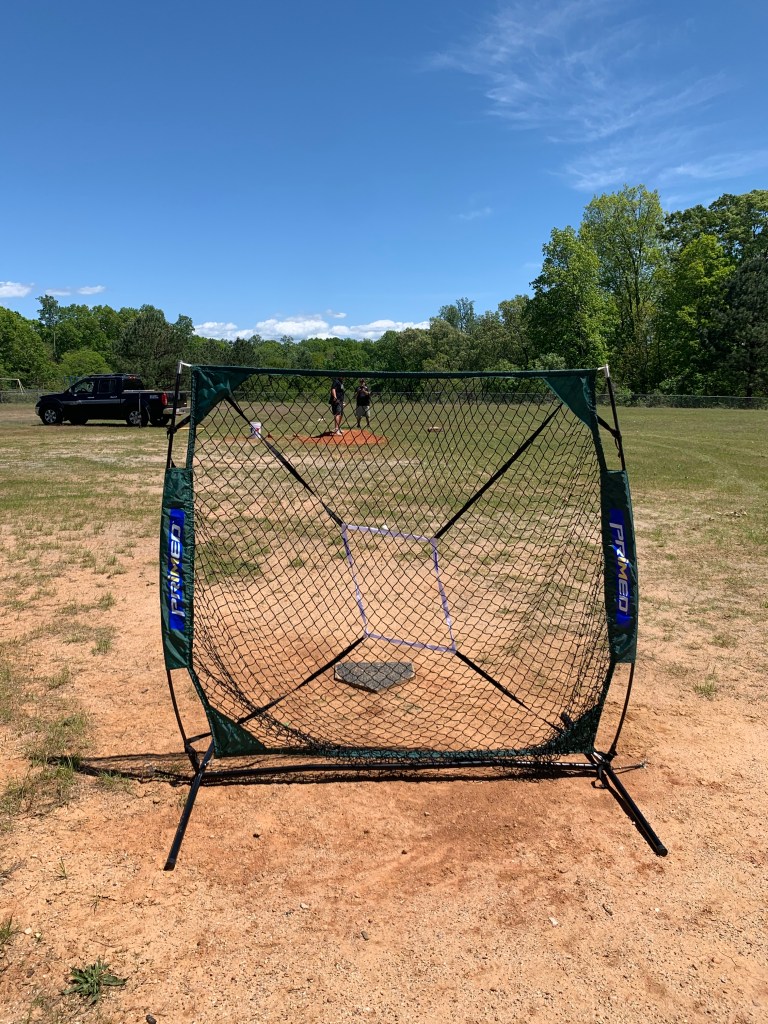
Somewhere deep in our DNA is a desire to survive, and if survival means adapting, then that is what we do. We watch online videos for workouts if we can’t go to the gym. We try new up-dos if we can’t get to the hair salon. Or like my son did, we build our own pitching mound when we cannot play on the school field with our school team. And I am pretty sure my school’s administration is working on ways to hold senior awards day and graduation just in case we don’t get to return before the end of the school year.
So, while we have given ourselves time to mourn the loss of life as we knew it, let’s now take the time to celebrate the determination of the human spirit, the willingness to keep moving forward and to make something worthwhile out of what appears to be a disaster.
In this way, we might just reflect the holiest, most divine spark – the spark of creativity that comes straight from God himself, the one who brings beauty out of disaster, the one who specializes in redeeming what appears to be lost, the original creator and creative thinker.
And that is what I will celebrate and thank God for when I sit in my Jeep at our drive-in worship service at 2pm today.
 Kristie Camp